

Banks in Bwari Area Council and along the airport road in the Federal Capital Territory of Abuja remained closed on Thursday, leaving numerous customers stranded. This closure comes as a result of the ongoing #EndBadGovernanceInNigeria protests, which began early Thursday morning to highlight issues such as hunger and the citizens’ diminished purchasing power.
Visits to multiple banks by our correspondents revealed locked doors and security personnel preventing customer entry. At First Bank of Nigeria, a private security guard indicated that the bank had not yet received the order to open. When questioned about the closure at 9:30 am, the guard referenced the current national situation.
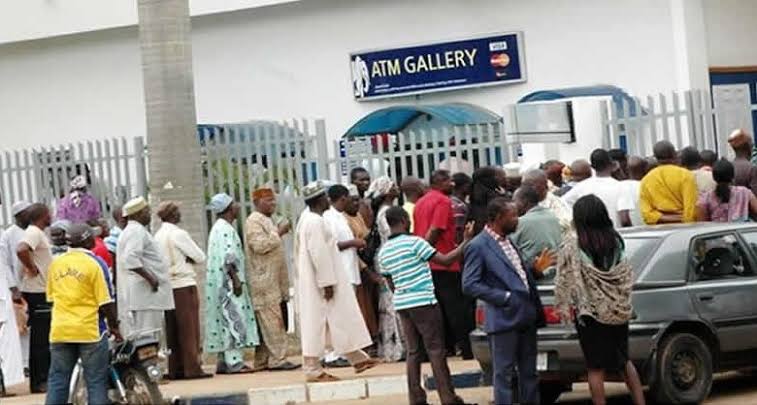
Branches of Zenith Bank, Polaris, Unity, and FCMB also remained closed, frustrating many customers. “This is unfortunate. I have been standing here for hours waiting for money, but nothing is forthcoming,” lamented a customer.
The protest-induced fear led to deserted streets and major markets in Bwari being affected, with many residents opting for panic buying rather than venturing out. Matilda, a Point of Sale operator, noted, “I’m not in a hurry to open my shop this morning because many persons are still in their homes. People are not moving about now.”
Banks along the popular airport road, including GT Bank, Stanbic IBTC, United Bank of Africa, and Zenith Bank, were also closed, with staff instructed to stay home based on directives from their headquarters. Despite heavy security presence at the banks, no financial transactions were allowed, and Automated Teller Machine (ATM) stands were shut down.
Our correspondent observed less activity on the usually busy access road into the capital city, with security patrol vehicles making rounds.
The protest underscores the significant impact of ongoing civic actions on daily life in Abuja, reflecting deep-seated frustrations among the populace regarding governance issues in Nigeria.

