

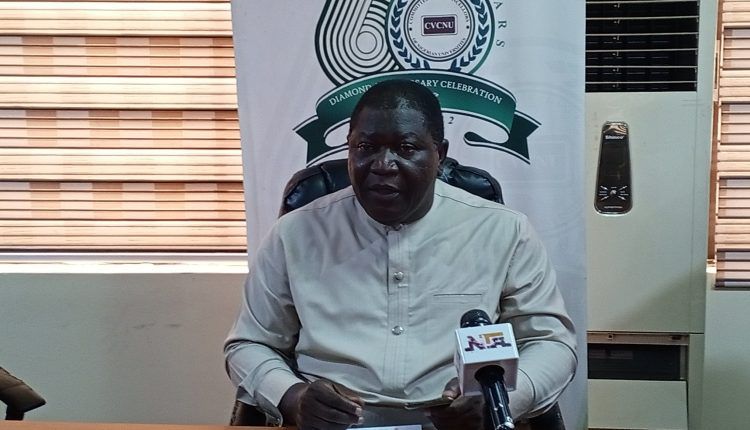
The Committee of Vice-Chancellors of Nigerian Universities has indicated that students might be charged N80,000 or more to cope with the rising electricity tariffs.
Prof. Yakubu Ochefu, Secretary-General of the Committee, explained in an interview that universities are unable to manage the over N200 million monthly electricity charges. Previously, the monthly cost was N61 million, but this has surged due to the introduction of the Band A system and a subsequent tariff hike.
In April 2024, the Nigerian Electricity Regulatory Commission raised the tariff for Band A customers from N68/KWh to N225/KWh, marking a 300 percent increase. Band A customers are those who receive at least 20 hours of electricity daily.
Several universities have expressed concerns over the increased electricity bills following this policy change. For instance, Ahmadu Bello University in Zaria, Kaduna State, and the University of Benin reported receiving N3.6 billion in electricity bills, averaging N300 million monthly under the Band A tariff. Prof. Lilian Salami, the Vice-Chancellor of UNIBEN, mentioned that the university had been disconnected from the national grid because it couldn’t afford the approximately N300 million monthly bill.
Similarly, Babcock University in Ogun State revealed that it paid N300 million for electricity in May. Prof. Ochefu highlighted that before the new tariff, universities spent around N1 billion annually on electricity, but this figure has now escalated to N4 billion per year. He questioned how universities are expected to cover these costs, considering their limited overhead budgets.
“If the Federal Government doesn’t intervene, the expenses will likely be passed on to students, resulting in charges of around N80,000 per student. Alternatively, universities may have to limit their operations to just four hours a day,” Ochefu stated.
For example, UNIBEN is currently running a generator for four hours daily, costing them N60 million per month, which is unsustainable given the need for essential services like libraries, internet access, and laboratory facilities.
Vice-chancellors have already communicated their concerns to the Federal Government and are awaiting further actions from the pro-chancellors. Ochefu emphasized that the proposed charges are unrealistic, as universities cannot afford to pay N200 million or N300 million monthly for electricity. The Federal Government needs to reconsider this decision. The vice-chancellors have requested a concessionary rate or a return to the previous rate, based on the funding provided by the government to universities. However, there has been no response yet.
“The pro-chancellors now have the responsibility to address this critical funding issue. The Vice-Chancellors have done their part,” Ochefu concluded.
